Looking at Oxford for a rental or second home? You are not alone. Buyers are paying attention to this part of Sumter County because it offers proximity to The Villages, access to everyday amenities, and a lifestyle-focused setting that can work well for seasonal use. If you are weighing personal enjoyment against rental potential, this guide will help you think through the numbers, rules, and local factors that matter most. Let’s dive in.
Why Oxford Gets Buyer Attention
Oxford sits in unincorporated Sumter County, which means county offices play a big role in planning, zoning, and code enforcement. That matters if you are buying with a future rental plan in mind, because property use is not just about what seems common in the area. It needs to fit county rules and any community restrictions tied to the home.
The broader county also gives you helpful market context. Census data shows that 57.2% of Sumter County residents are 65 or older, the owner-occupied housing rate is 88.1%, and the population grew 19.2% from 2020 to 2024. For many buyers, that points to a market shaped by retirees, snowbirds, and lifestyle-driven moves.
Oxford can appeal if you want to be near The Villages without being in the busiest part of that market. County materials also highlight shopping and entertainment in the broader area, which supports the lifestyle side of the decision. For many second-home buyers, that balance is part of the draw.
Oxford Works Best as a Lifestyle-First Buy
If you are hoping for a high-cash-flow investment, Oxford may require a more careful lens. Countywide housing figures show a median owner-occupied home value of $385,400 and a median gross rent of $1,269. Using those figures as a rough benchmark produces a gross yield of about 3.95% before expenses.
That does not mean a property cannot perform well. It means your result will depend heavily on your purchase price, financing terms, insurance, taxes, dues, and management costs. In a market like this, selective buying and conservative math matter more than broad assumptions.
For many buyers, the strongest case for Oxford is a home that serves you first and offers rental upside second. That could mean a seasonal home you enjoy part of the year, or a property held for longer-term value while staying close to a popular lifestyle area.
Know the Property Type Before You Buy
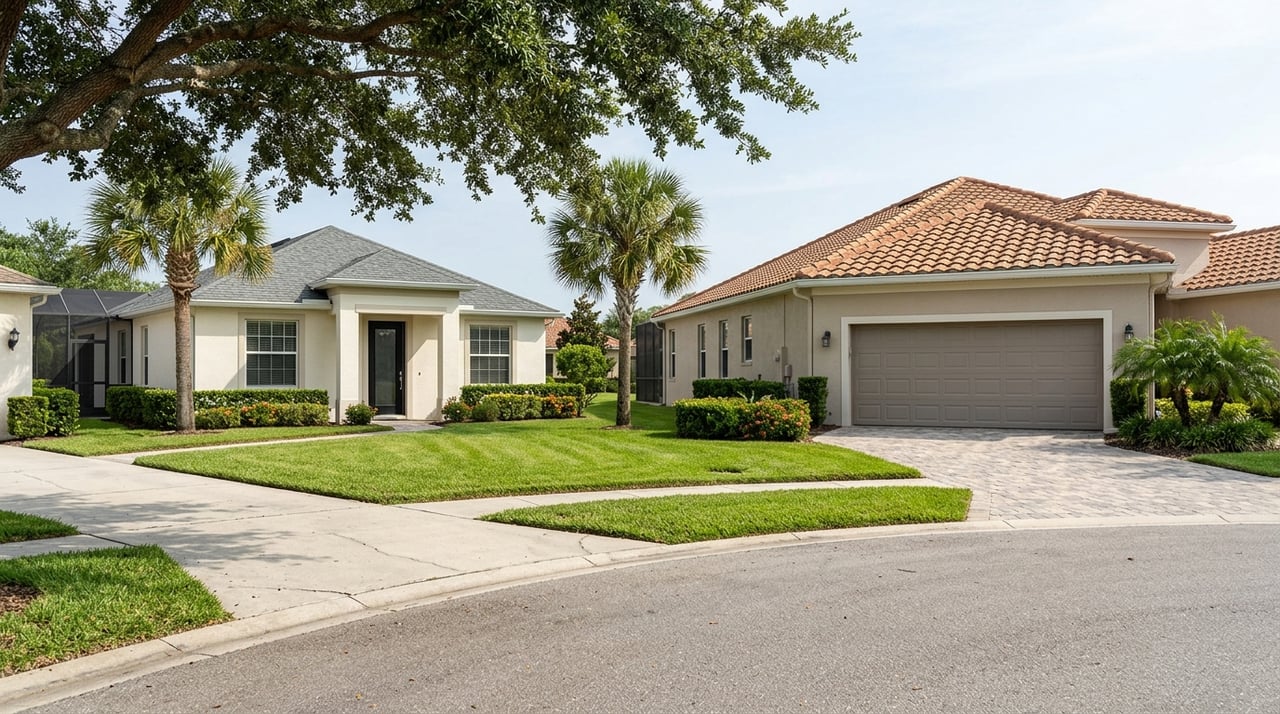
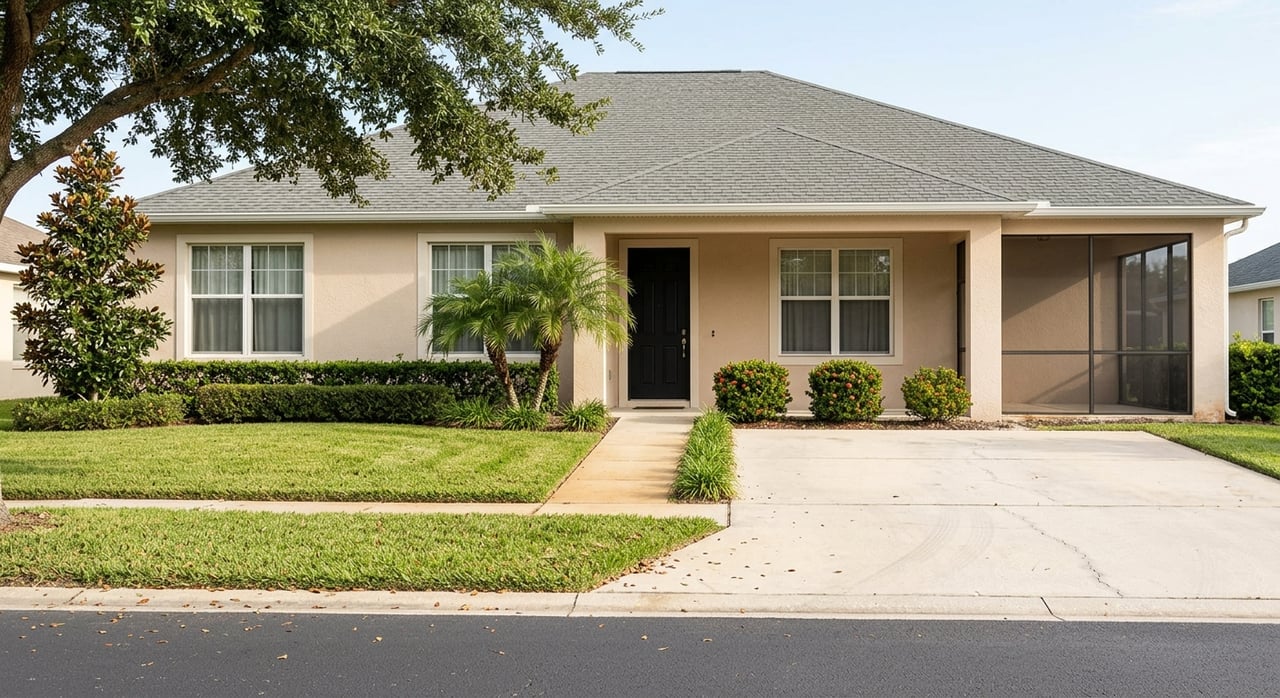
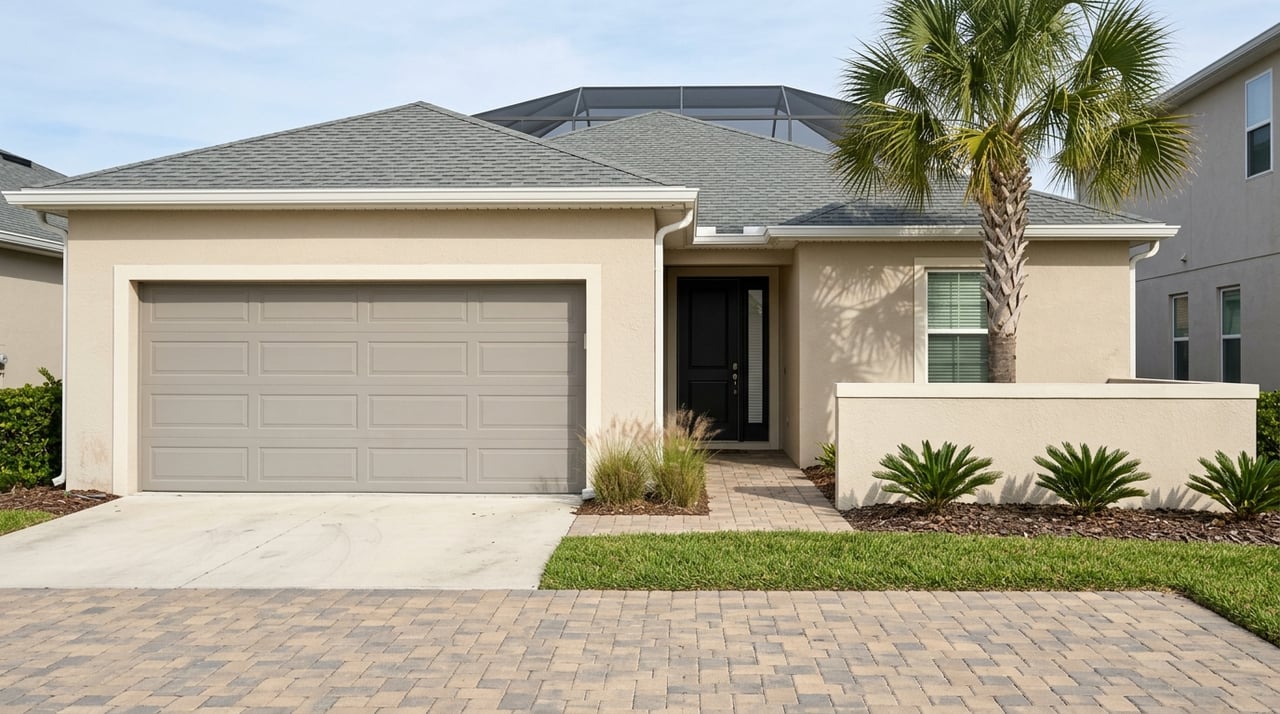
Oxford and the broader Villages-area market include a mix of housing types. County planning materials reference apartments, manufactured-home communities, and single-family neighborhoods in close proximity. That variety can create opportunity, but it also means each property type needs to be evaluated on its own terms.
A single-family home may have a different maintenance profile than a manufactured home. A community with shared amenities may also come with dues, lease restrictions, parking rules, or guest policies that affect how you use the property. Financing can vary by property type too, which can change your monthly cost and long-term flexibility.
Before you fall in love with a home, make sure the property type matches your real goal. A second home for occasional personal use may call for a different strategy than a property you hope to lease consistently.
Check Zoning and Use Early
In unincorporated Sumter County, planning and code enforcement are key parts of your due diligence. County planning staff can provide parcel-level zoning and land-use information online. That can help you confirm whether a property fits your intended use as a seasonal home, rental, or long-term hold.
This step is especially important if you are thinking about anything beyond standard owner occupancy. County code enforcement addresses unpermitted residential uses and businesses operating in residential areas. In simple terms, you do not want to assume a rental plan works just because a property looks like it should.
Checking use rules early can save you time, money, and stress. It is one of the smartest first filters when comparing Oxford properties.
HOA Rules Can Shape Your Plan
If the home is in an HOA, the community rules may affect your rental strategy just as much as the home itself. Under Florida HOA law, members, tenants, guests, and invitees must comply with the governing documents and association rules. Associations can also levy fines.
That makes the practical details very important. You will want to review lease terms, guest limits, parking rules, pet rules, application procedures, and any approval requirements before closing. A property that looks perfect on paper may be a poor fit if the association limits the type of use you want.
If the community also has special assessments or district-related charges, those costs should be part of your monthly budget from day one. They are not extras. They are part of the true carrying cost.
Budget for More Than the Mortgage
A clean underwriting model should include every recurring cost, not just the purchase price and loan payment. Sumter County notes that property taxes are assessed by several government entities each year. That means your annual tax picture can be influenced by millage changes and special district charges.
The Sumter County Property Appraiser also states that Florida homestead exemption applies to a property that is your permanent home, with an exemption of up to $50,000 for a qualified Florida resident. If you are buying a second home or pure investment, you generally should not model the property with homestead savings unless you truly qualify.
The IRS lists common rental expenses that owners should expect to budget for, including advertising, cleaning and maintenance, commissions, insurance, management fees, mortgage interest, repairs, taxes, and utilities. Even if you plan to self-manage, it is wise to include management as a line item when testing the property’s performance.
A Simple Oxford Cost Checklist
When comparing properties, include:
- Purchase price
- Down payment and financing terms
- Property taxes
- Insurance
- HOA dues
- Special district or community assessments
- Maintenance and repairs
- Vacancy allowance
- Property management
- Utilities, if owner-paid
- Turnover and cleaning costs
This kind of checklist can quickly show whether a property still works once the full cost picture is on the table.
Flood and Insurance Review Matter Here
Flood review should be standard due diligence in Oxford. Sumter County states that most areas may be prone to flooding from excessive rainfall. The county’s unincorporated communities also have a Class 5 National Flood Insurance Program Community Rating System verification.
For you as a buyer, that means flood-zone review, drainage review, and insurance shopping should be built into the purchase process. This is true even if a home looks well-kept and move-in ready. Insurance costs can change the economics of a rental or second-home purchase very quickly.
It is also smart to look beyond the structure itself. Ask how water moves across the lot, whether nearby roads collect water, and what insurance options look like before you commit.
Infrastructure Can Support Long-Term Appeal
Oxford is not a static market. Sumter County completed intersection improvements at County Road 466 and County Road 209 in Oxford in 2026, and the county continues to invest in roads in the area. Its road impact fee schedule also increases each January 1 and helps fund new roads, added lanes, and intersection upgrades.
For buyers, this supports a longer-term view. Infrastructure upgrades can improve access, support growth, and help an area remain attractive over time. That does not guarantee appreciation, but it does suggest Oxford is part of an actively evolving local market.
County building activity adds to that picture. Sumter County issued 3,961 building permits in 2024, which signals ongoing supply growth in the broader area. If you are buying for future value, it helps to understand both demand and new inventory.
Think Carefully About Rental Strategy
Not every Oxford property will fit the same rental model. Some buyers are looking for seasonal use with limited leasing. Others want a more regular income-producing property. Your approach should match the home, the community rules, and the local compliance picture.
There is also an important tax angle if you plan to split personal use and rental use. IRS Publication 527 states that if a home is used personally and rented for fewer than 15 days in a year, the rental activity generally is not reported on Schedule E. If the property is used personally and rented 15 days or more, expenses must be split between personal and rental use.
That makes recordkeeping especially important for second-home owners. If you plan to enjoy the property yourself and rent it at other times, your tax treatment may look very different from a pure investment property.
Be Cautious With Short-Stay Assumptions
If you are underwriting a short-stay or nightly rental model, verify the current rules before you buy. Sumter County repealed its Tourist Development Tax effective September 30, 2020, though county materials show the topic was discussed again in 2026. That means seasonal or short-stay income assumptions should be checked carefully against current county tax status and any lodging-related rules.
You will also want to confirm that the property’s intended use fits county code and any HOA documents. A strong-looking revenue idea can break down quickly if the use is restricted or if extra compliance steps apply. In this market, it is better to verify first and project income second.
What a Smart Oxford Buy Looks Like
The most successful Oxford purchases usually start with clarity. You need to know whether you are buying mainly for personal use, long-term holding, seasonal flexibility, or rental income. Once that goal is clear, it becomes easier to narrow the right property type, community, and budget.
A smart buy in Oxford is typically one where the lifestyle value is real and the carrying costs are manageable. If the location, rules, insurance profile, and full monthly expense picture all line up, the property can make sense even if it is not a pure cash-flow play.
That is where local guidance can make a real difference. In a market shaped by active-adult demand, mixed housing types, county oversight, and community-level rules, details matter.
If you are exploring Oxford as a rental or second-home market, working with an experienced local advisor can help you compare options with more confidence. To talk through your goals and find a property that fits how you want to live and invest, connect with Lili Whittington.
FAQs
What makes Oxford, Florida appealing for a second home?
- Oxford offers proximity to The Villages, access to shopping and entertainment in the broader area, and a retiree-heavy Sumter County market that often appeals to snowbirds and lifestyle buyers.
What should you review before buying a rental property in Oxford?
- You should review zoning, land use, county code compliance, HOA documents, lease rules, property taxes, insurance, flood risk, and any special district or community assessments.
How do HOA rules affect rental homes in Oxford?
- HOA rules can control lease terms, guest policies, parking, pets, and approval procedures, and Florida law requires owners, tenants, guests, and invitees to follow those rules.
Are second homes in Oxford eligible for Florida homestead exemption?
- In general, no. The Sumter County Property Appraiser states homestead exemption applies to a property that is your permanent home, so second homes and pure investments usually should not be modeled with that tax benefit.
Is flood insurance review important when buying in Oxford?
- Yes. Sumter County says most areas may be prone to flooding from excessive rainfall, so flood-zone review, drainage review, and insurance shopping should be part of your due diligence.
Can an Oxford property work as a strong cash-flow investment?
- It can in some cases, but countywide rent and value figures suggest many buyers should approach Oxford as a lifestyle-first market with selective rental upside rather than assume high cash flow.
What expenses should you include when underwriting an Oxford rental or second home?
- Include financing, property taxes, insurance, HOA dues, special assessments, maintenance, vacancy, management, utilities, repairs, and turnover costs so you can see the full carrying cost clearly.